

How to read a Certificate of Analysis for whole flower
A practical guide to the sections procurement teams should check before a batch is accepted.
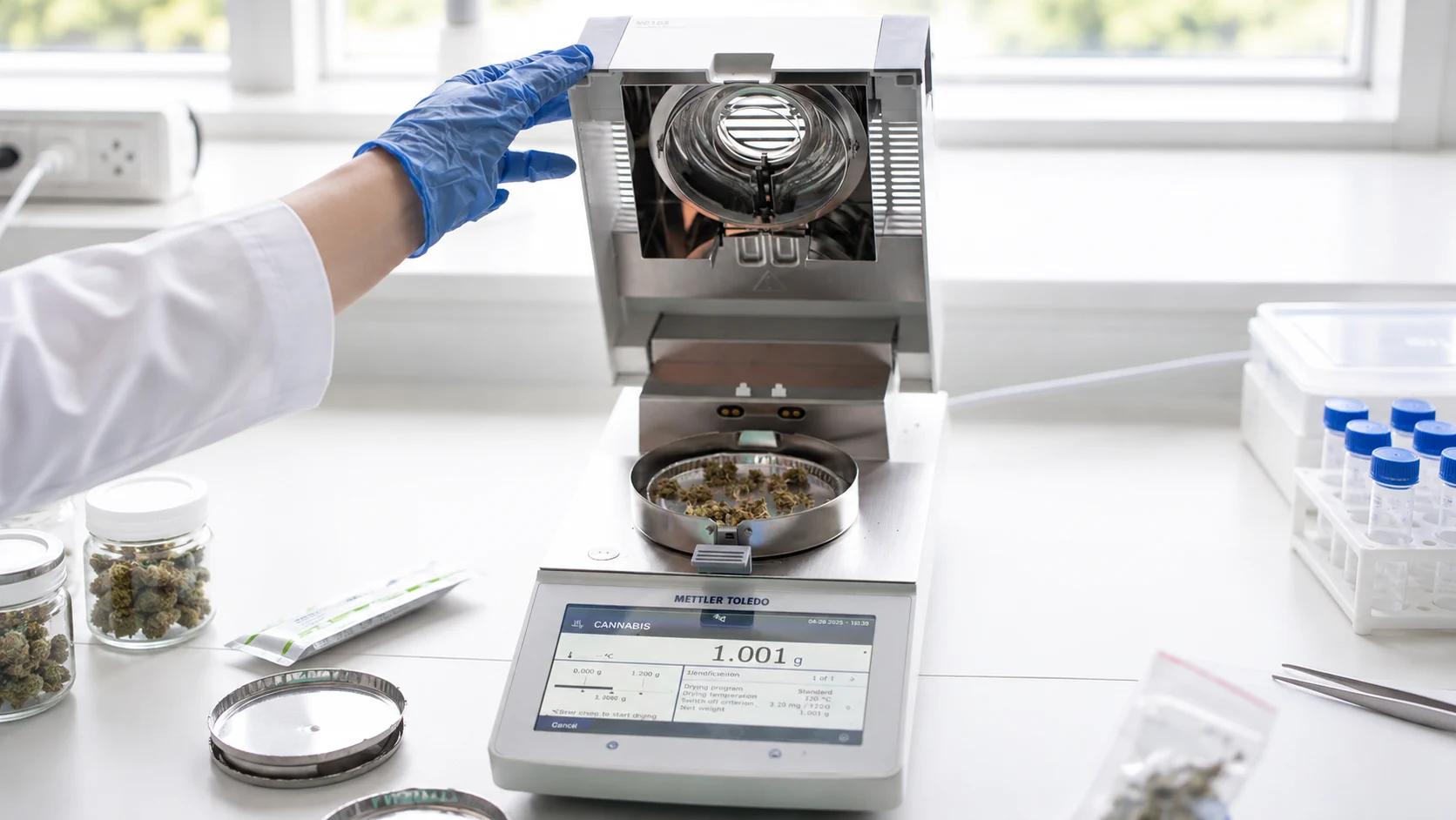
A Certificate of Analysis (CoA) is the document that turns a cultivar name into a verifiable batch specification. For procurement teams, knowing where to look on a CoA is often the fastest way to separate a confident supplier from a vague one.
Start with batch identity
Before reading any result, confirm that the certificate belongs to the batch being offered. The batch or lot number, cultivar name, sampling date and issuing laboratory should match the producer’s release documents and the goods described in your order.
-
01
Batch number — identical on the CoA, release record and shipping documents.
-
02
Laboratory — an independent, appropriately accredited testing laboratory.
-
03
Dates — sampling and reporting dates that fit the production timeline.
Read potency as a measured range
Cannabinoid content is reported for the tested sample. Treat any headline figure as a property of that batch, not of the cultivar in general. Comparing results across several released batches gives a far better picture of consistency than a single high value.
A claim is useful to a buyer only when it is supported by a record that belongs to the batch.
Check the safety panels
Beyond potency, a complete certificate reports the contaminant and safety tests required for the destination market. Look for clear pass or fail statements against stated limits, and ask the producer to explain any panel that is missing or marked as not tested.
Connect the CoA to processing claims
Statements such as hand-trimmed or non-irradiated describe how a batch was handled. They should be traceable to production records, not only to marketing copy. A good partner will show how each claim is documented before you rely on it.
Related articles

What EU-GMP certification covers — and what it does not
Understanding certificate scope helps buyers ask the right questions of any producer.
Read article ↗
Why indoor cultivation supports batch consistency
Climate, light and irrigation programmes reduce the variables that shape each harvest.
Read article ↗
Hand trimming: the human detail in finishing
Why careful manual finishing still matters for appearance, handling and integrity.
Read article ↗See how IDUN documents each batch.
Explore the quality approach behind every release.